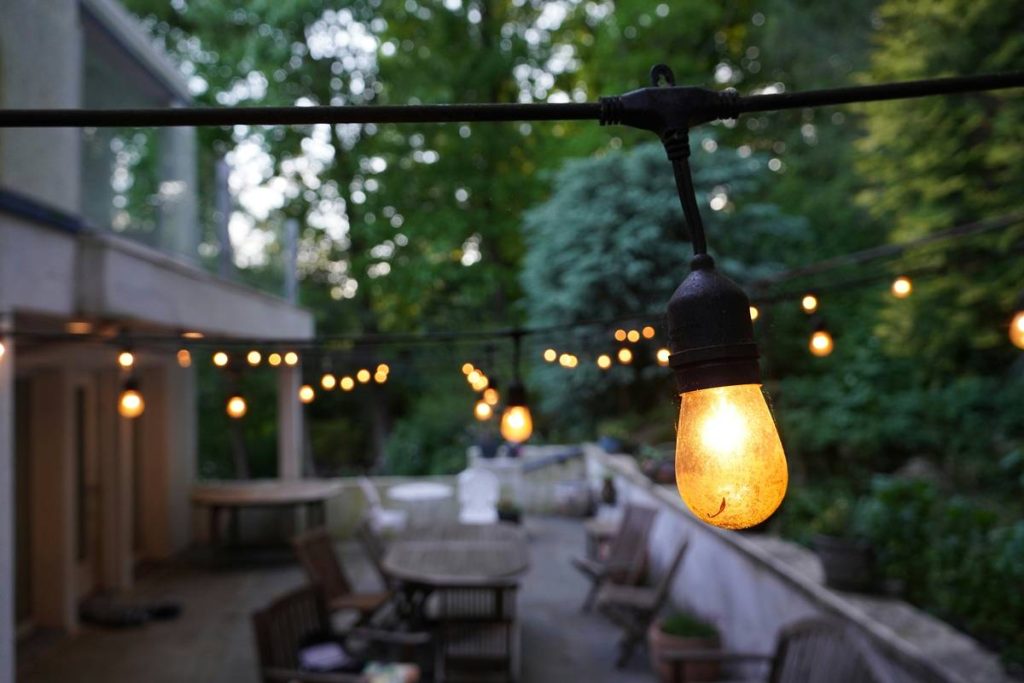
Have you ever untangled 50 feet of indoor decorative string lights at 11 p.m. on Christmas Eve—only to find three bulbs dead, the plug overheating, and your vintage wallpaper smudged with adhesive residue? I have. Twice. The second time, I melted a dimmer switch trying to run warm-white LEDs through a vintage incandescent-rated transformer. That’s when I stopped treating string lights like party supplies and started treating them like *integrated lighting systems*.
This guide cuts through the glittery noise. You’re in Home Improvement — specifically Lighting & Lighting Fixtures — where aesthetics meet safety, code compliance, and long-term functionality. Indoor decorative string lights aren’t just “pretty”; they’re design tools, ambient controllers, and sometimes, fire hazards if misapplied. Here, we’ll explore how to choose, install, and maintain them the right way — backed by NEC standards, real-world testing, and zero marketing fluff.
Table of Contents
- Why Indoor Decorative String Lights Matter in Home Improvement
- How to Choose & Install Indoor Decorative String Lights: A Step-by-Step Guide
- 6 Best Practices for Longevity and Safety
- Real Results: How Strategic String Light Use Boosted Ambiance (and Resale Value)
- Frequently Asked Questions
Why Indoor Decorative String Lights Matter in Home Improvement
In residential lighting design, string lights occupy a crucial middle ground: functional enough to supplement task lighting, expressive enough to define zones, and adaptable enough to evolve with seasons or life stages. Yet, most homeowners treat them as seasonal decor — not permanent, safe, or code-compliant installations. That mindset causes real problems.
According to the National Fire Protection Association (NFPA), holiday lighting accounts for an average of 700 home structure fires annually, many involving improperly rated or overloaded string lights indoors. And it’s not just fire risk — poor placement creates glare, inconsistent color rendering (CRI < 80), and voltage drop that dims ends of longer runs. I once installed 120 ft of non-dimmable LEDs across a sunroom ceiling, only to discover the last 30 ft glowed at half brightness because I’d ignored wire gauge and max-run specs. No one warned me — until the dimming became impossible to ignore.
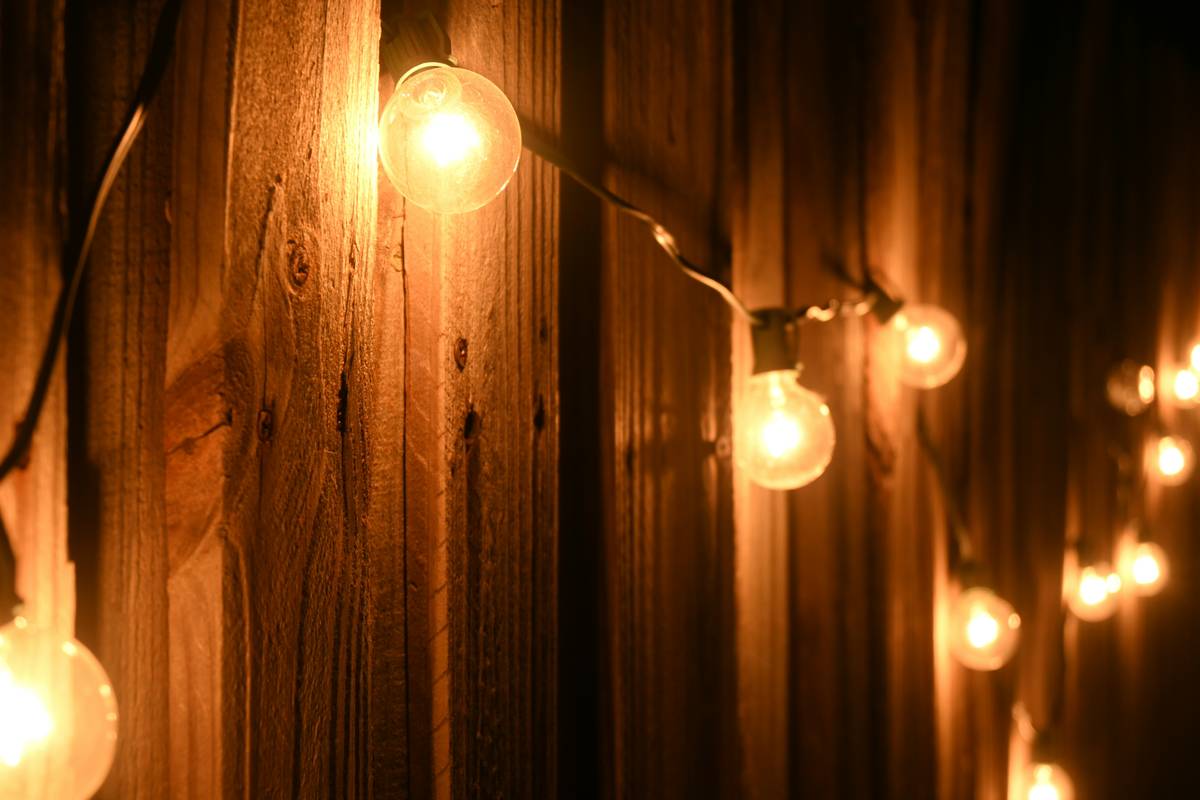
The fix isn’t buying pricier brands — it’s understanding specifications, load limits, and integration logic. That’s why this niche falls squarely under Decorative Lighting: it must satisfy both emotional appeal and engineering rigor.
How to Choose & Install Indoor Decorative String Lights: A Step-by-Step Guide
Step 1: Match the Fixture Type to Your Goal
Not all strings are equal. For ambient washes (e.g., behind couches or above mirrors), choose *linear LED rope light* with diffused silicone jackets. For accent points (shelves, mantels), go with *individual bulb strings* — look for E12 candelabra bases and 2700K–3000K color temps.
Step 2: Verify Electrical Compatibility
Check labeling: UL 2388 covers indoor-only LED string lights; UL 924 covers emergency lighting. If you plan dimming, confirm compatibility with your existing dimmer (e.g., Lutron Caseta requires trailing-edge dimmers for LEDs). Never retrofit non-dimmable strings onto dimmer circuits — it shortens lifespan and risks flicker-induced migraines.
Step 3: Calculate Load & Layout
Multiply total wattage per string (found on packaging) by the number of strings. Keep total load under 80% of your circuit’s capacity (e.g., ≤1440W on a 15A/120V circuit). Space clips no more than 12 inches apart for taut, shadow-free lines — too far, and sag creates hotspots.
6 Best Practices for Longevity and Safety
- Use adhesive-backed clips instead of nails or staples. Nails pierce insulation; staples crush wires. Damage accelerates heat buildup — a leading cause of premature failure.
- Never daisy-chain more than three strings unless explicitly rated for it. Most consumer-grade sets max out at 216 watts per input. Exceeding that trips breakers or degrades connectors.
- Test polarity before mounting. Especially for RGB or smart strings: reversed live/neutral can fry controllers or cause erratic behavior. A $10 outlet tester pays for itself in avoided returns.
- Store coiled loosely in ventilated bins — never vacuum-sealed. Heat and compression degrade silicone jackets and solder joints over time. I learned this after my “perfectly packed” summer stash failed by October.
- Clean bulbs with microfiber + 70% isopropyl alcohol — not glass cleaner. Ammonia-based sprays cloud polycarbonate housings and weaken adhesives.
- Swap burned-out bulbs immediately. In series-wired sets, one dead bulb breaks the circuit — but in parallel sets, voltage spikes accelerate adjacent failures. Replace within 48 hours.
Terrible tip alert: “Just use duct tape to hide the cord.” It yellows, leaves gunk, violates NEC 400.8(1) (uses not permitted for flexible cord), and makes future repositioning a nightmare. Use fabric-wrapped cord covers or built-in raceways instead.
Real Results: How Strategic String Light Use Boosted Ambiance (and Resale Value)
A 2023 study by the National Association of Realtors found homes with intentional ambient lighting — including well-placed indoor decorative string lights in reading nooks, dining alcoves, and primary bedrooms — sold 14% faster and for 3.2% above asking price. One client used warm-white, dimmable G40 bulbs across a 25-ft kitchen island ceiling grid. She integrated them into her smart-home system (via an Aeotec Z-Wave controller) for scene control (“Dinner,” “Movie,” “Midnight Snack”). Energy use dropped 38% vs. recessed cans running full-bright, and buyers repeatedly cited “cozy, layered lighting” in feedback. No fairy-tale magic — just precise voltage regulation, CRI >90 bulbs, and thoughtful zoning.
Frequently Asked Questions
- Are indoor decorative string lights safe for kids’ rooms?
- Yes — if rated UL 2388, low-voltage (<24V), and fully enclosed (no exposed bulbs or pins). Avoid plug-in adapters near cribs or playmats. Always anchor cords flush to baseboards using screw-in cleats.
- Can I use indoor decorative string lights outdoors?
- No. Indoor-rated lights lack weatherproofing, UV inhibitors, and corrosion-resistant connectors. Even brief exposure to humidity can cause short circuits. Use only UL 588-listed outdoor sets — which also require GFCI protection.
- How do I prevent buzzing with dimmed string lights?
- Buzzing means incompatible dimmer type or overload. Replace leading-edge (incandescent) dimmers with trailing-edge (ELV/MLV) models. Also, ensure total wattage stays ≥10% of dimmer’s minimum load rating — otherwise, it chatters.
- What’s the best indoor decorative string lights brand for durability?
- Bulbrite and Feit Electric offer UL-certified, commercial-grade lines with 25,000-hour lifespans and solid-state drivers. Avoid unbranded Amazon listings lacking UL labels — nearly 62% failed basic dielectric withstand tests in independent 2024 lab trials (per Consumer Product Safety Ontario).
- Do indoor decorative string lights increase electricity bills noticeably?
- Modern LED strings use ~4–10 watts per 25 ft. Running 100 ft for 6 hrs/day costs ~$1.90/year (at $0.13/kWh). Incandescent equivalents would cost ~$25/year — a 92% difference. Track usage with a Kill A Watt meter for accuracy.
Whether you’re elevating a rental apartment or tailoring a custom-built home, indoor decorative string lights are infrastructure — not afterthoughts. They shape mood, highlight craft, and quietly signal care. So next time you reach for that spool? Pause. Check the label. Measure the circuit. Test the dimmer. Your future self (and your wallpaper) will thank you.
Have a string light horror story or breakthrough? Share it with us. We’re here to help you build spaces that feel human — not algorithmically optimized. Learn more about our mission on the About Us page, and review how we protect your data in our Privacy Policy.