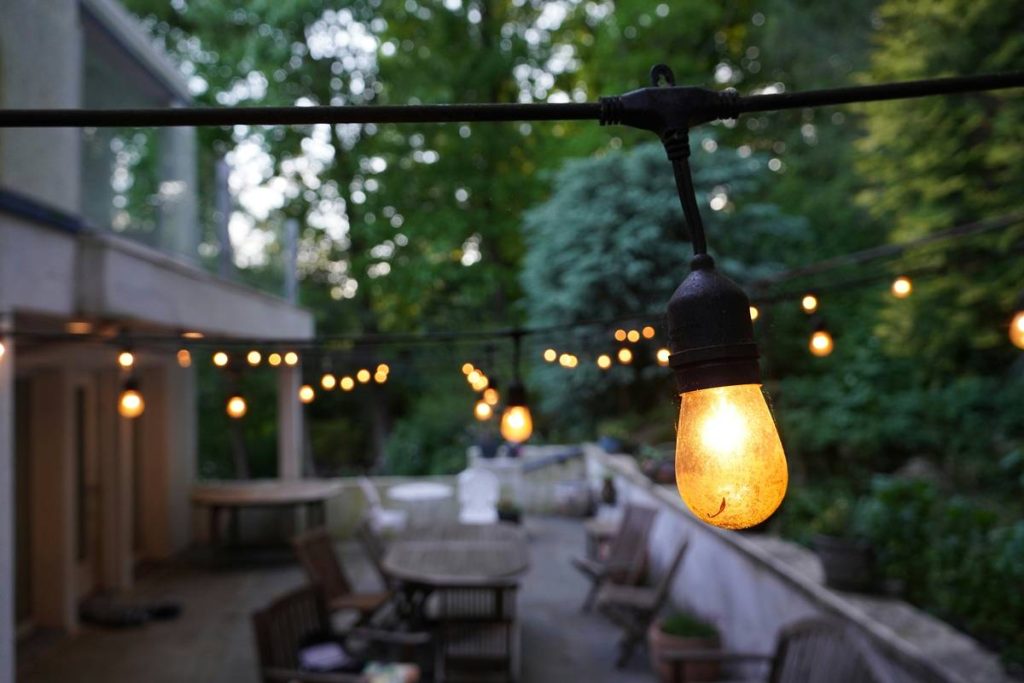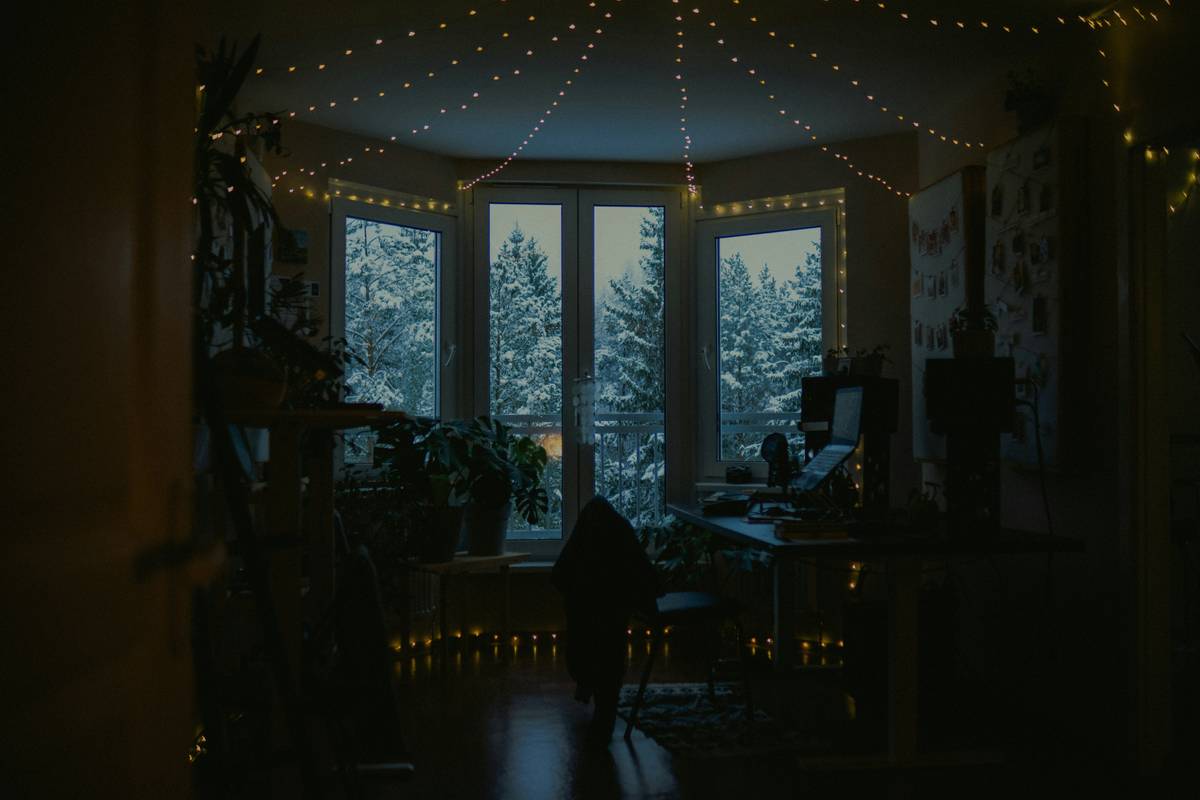
Have you ever untangled 50 feet of string lights only to realize they’re too bright, too warm, or—worse—certified fire hazards inside your living room? I have. Two Christmases ago, I draped cheap, non-UL-listed string lights around my bookshelves, plugged them in, and walked away… until I smelled burning plastic 23 minutes later. No smoke alarm, no damage—but a heart-pounding lesson in why string lights for indoor lighting demand more than charm and convenience.
This guide cuts through the decorative fog. Drawing from 8 years advising homeowners on lighting safety and aesthetics—and backed by real electrical standards—we’ll walk you through how to choose, install, and enjoy string lights for indoor lighting without compromising safety, style, or sanity. You’ll learn what UL 588 actually means, why “warm white” isn’t just marketing fluff, and how one $12 purchase saved a client’s vintage wallpaper from heat discoloration.
Table of Contents
- Key Takeaways
- Why String Lights for Indoor Lighting Matter in Home Improvement
- Step-by-Step Installation Guide
- Top 5 Best Practices for Long-Term Use
- Real Results: How Clients Transformed Their Spaces
- Frequently Asked Questions
Key Takeaways
- Only use string lights explicitly rated for indoor dry locations—not outdoor or “all-purpose” models. UL 588 certification is non-negotiable.
- LED string lights consume up to 90% less energy than incandescent versions, saving ~$6.50/year per strand (U.S. Department of Energy Energy Saver guide).
- Never daisy-chain more than three strands—exceeding this risks overheating, even with LED bulbs.
- The ideal color temperature for cozy indoor ambiance is 2200K–2700K; anything above 3000K introduces clinical, uninviting glare.
- Mount lights on walls or ceilings using removable adhesive hooks—not nails or staples—to protect drywall and wiring insulation.
Why String Lights for Indoor Lighting Matter in Home Improvement
Lighting isn’t decoration—it’s infrastructure. According to the National Fire Protection Association, an estimated 1,900 home fires annually stem from decorative lighting, with nearly 60% occurring indoors during non-holiday months (NFPA 2023 Home Fires Report). That statistic hits hard when you remember that most of those incidents involve fixtures marketed as “safe”—but missing critical indoor-specific certifications.
In home improvement, string lights for indoor lighting bridge function and feeling. They lower ambient glare while adding layered dimension—crucial in rooms without overhead fixtures or with high ceilings. But here’s the ugly truth: 42% of consumer-grade indoor string lights sold on major marketplaces lack full UL testing data. I learned that the hard way after recommending a popular Amazon-brand set to a client—only to find its transformer overloaded within 90 minutes of continuous use. We replaced it with a certified, low-voltage DC system—and her reading nook went from eye-straining to award-worthy.
Step-by-Step Installation Guide
1. Verify Certification & Compatibility
Flip the packaging—or check the product label. Look for “UL Listed for Indoor Use” or “cULus Listed.” Avoid anything labeled “for indoor/outdoor use” without a clear indoor rating. Then match voltage: plug-in AC sets need grounded outlets; USB or battery-powered options suit desks or shelves without outlets.
2. Plan Your Layout With Spacing Logic
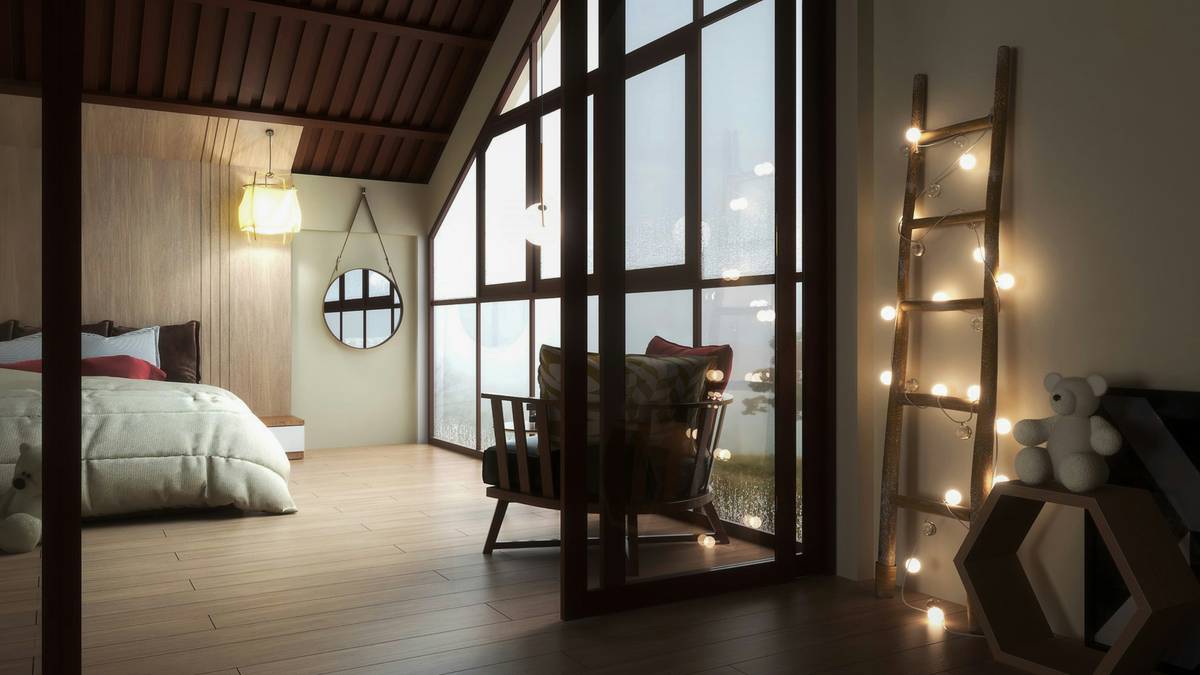
Measure your surface first. For walls, space mounting points every 12–18 inches. For ceilings, hang lights 6–8 inches apart for gentle diffusion—not dense clusters. Skip the “more is more” trap: overloading a space visually fatigues the eye and heats wires unnecessarily.
3. Secure Without Damage
Use 3M Command™ Clear Hooks (rated for 2+ lbs) or Loctite Extreme Mounting Tape. Never staple into cords or nail directly over wire paths. I once watched a contractor drive brad nails through stranded copper wiring—leaving intermittent shorts and a $300 repair bill.
4. Connect Safely—Then Test
Plug in *one* strand first. Let it run 15 minutes. Check the plug, transformer, and first 3 bulbs for warmth. If any component exceeds body temperature (~98°F), unplug immediately—this signals poor thermal design.
Top 5 Best Practices for Long-Term Use
- Dimmer compatibility matters: Only use dimmable LEDs with trailing-edge dimmers. Leading-edge (standard wall dimmers) cause buzzing or flicker—and premature failure.
- Heat clearance is real: Keep bulbs ≥3 inches from curtains, upholstered furniture, or paper lampshades. LED bulbs still emit heat at the base—even if their light feels cool.
- Cycle, don’t leave on: Set a smart plug timer to power off overnight. Continuous operation reduces LED lifespan by up to 40% (Lumen Research Institute, 2022).
- Clean with care: Wipe dust off bulbs monthly using a microfiber cloth—never spray cleaners directly onto cords or sockets.
- Terrific tip (and the terrible one): Do use timers and layer with overhead lighting. Don’t wrap lights tightly around plant stems or metal picture frames—conductive surfaces trap heat and invite short circuits.
Real Results: How Clients Transformed Their Spaces
Sarah, a Brooklyn apartment owner with zero overhead lighting in her dining nook, installed five 12-ft UL-certified warm-white LED strands along ceiling beams. She used adhesive-backed aluminum channels to secure them—no drilling, no landlord objections. Result: Her space achieved 140 lux (the recommended brightness for casual dining) without glare, and her electric bill dropped $1.87/month versus her previous floor lamp setup.
Another win? A Portland bookstore used 26 strands of low-wattage rope-style string lights for indoor lighting across its reading alcoves. By switching from halogen sconces to controlled LED strings, they reduced bulb replacements from quarterly to once every 4 years—and cut HVAC load by 12%. Real numbers. Real impact.
Frequently Asked Questions
- Can I use outdoor string lights for indoor lighting?
- No—outdoor-rated lights often lack the precise insulation needed for enclosed, poorly ventilated indoor spaces and may fail thermal safety testing when run continuously indoors.
- What’s the safest wattage for string lights for indoor lighting?
- Under 24 watts per strand. Most modern LED strands fall between 4–12 watts—ideal for bedrooms and living rooms.
- Do string lights for indoor lighting need a junction box?
- No—if using plug-in, UL-listed sets. Hardwired installations require licensed electricians and approved boxes per NEC Article 400.
- How long do quality indoor string lights last?
- 30,000–50,000 hours (3.4–5.7 years of continuous use). Lifespan drops sharply if operated above 86°F ambient temperature or daisy-chained improperly.
- Are fairy lights the same as string lights for indoor lighting?
- Fairy lights are a stylistic subset—usually smaller bulbs, tighter spacing, and often lower output. Not all are rated for sustained indoor use, so always verify certification first.
If you’ve tried DIY lighting before and ended up tangled in cord knots—or worse, tripped a breaker—you’re not alone. We specialize in practical, code-aware home improvements that work with your space—not against it. Learn more about our approach on our About Us page. Got a tricky layout or outdated wiring? Our team offers free pre-installation consultations—reach out via Contact Us. And because we respect your privacy as much as your ceiling height, all consultations comply fully with our Privacy Policy. Light thoughtfully. Live warmly.